field notes · September 8, 2025 · Ken Hawthorn
Painting STEM Into History
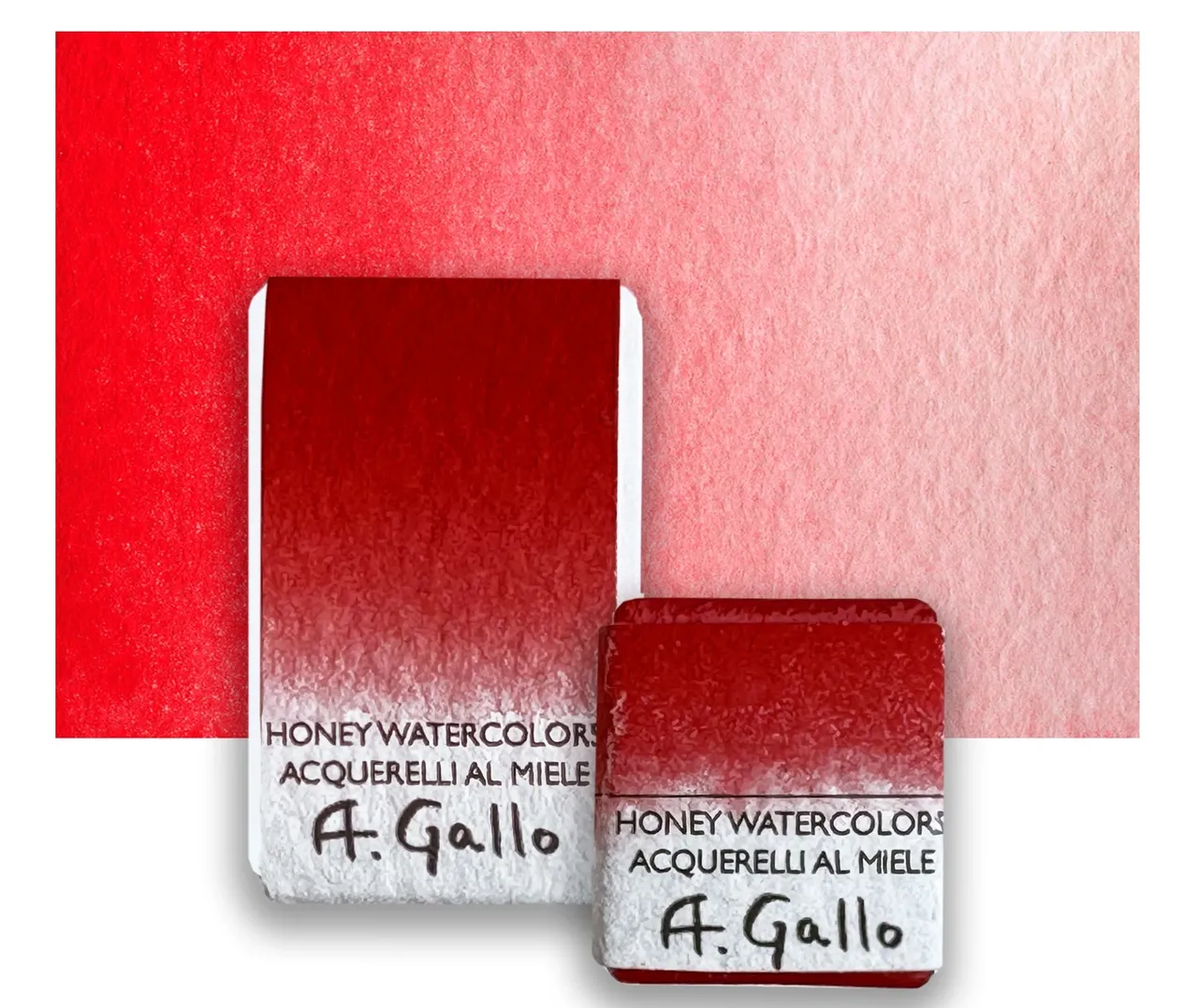
At ASC, we look for ways to activate STEM in young artists by giving them agency in a medium they already know well. Paint. We do this to reveal the depth and complexity of STEM that’s hidden inside that medium.
This field trip takes that idea literally. Students learn the chemistry of watercolor paints while studying the remarkable historical global story behind one of history’s most sought-after colors: scarlet red.
A Perfect Red
Our starting point is Amy Butler Greenfield’s book A Perfect Red: Empire, Espionage, and the Quest for the Color of Desire. It’s part history, part science, and part detective story, following the rise of red from Aztec artisans to European courts.
In three hours students:
Are exposed to a high-level summary of the book’s story, with a focused deep dive into the first chapters: Aztec mastery of the dye made from cochineal and the Spanish drive to control it.
Explore the chemistry of pigments: how molecules bind, how color fastness works, why scarlet is so vivid compared to other reds.
Learn how empire, trade, and science intertwined to make a color so valuable, it was guarded like gold.
It’s a story that connects art, history, economics via STEM in a way that makes chemistry feel immediate and human.
Part 1: Making Scarlet Paint
This is a hands-on make-and-take workshop. Students roll up their sleeves:
Make their own watercolor paint using traditional ingredients: raw pigment, gum arabic, local honey, and rosemary oil.
Students make a personal batch of scarlet watercolor to take home—an object lesson in the fusion of chemistry and art.
Students also get hands on with A. Gallo historical paints, handmade in Assisi with recipes passed down through centuries.
The end result of every session: each student has a copy of A Perfect Red and the practical knowledge to make their own paints, plus a basic understanding of the underlying chemistries of paint and history of our scientific understanding of paints in the artist’s pallet.
Part 2: Exploring Extraordinary Pigments
Students also use and compare some of the most extraordinary pigments ever made:
YInMn Blue — a brilliant, durable pigment discovered in 2009 at Oregon State University. Its unique composition (yttrium, indium, manganese, oxygen) produces an intense blue that resists fading, is safer than cobalt blues, and creates stunning gradations in watercolor. Students will test its subtle tinting strength alongside a Rembrandt-inspired palette.
Ultramarine — “beyond the sea,” the most coveted pigment of the Renaissance, originally made by grinding lapis lazuli imported from Afghanistan. Its brilliance and rarity made it a symbol of holiness and wealth, used for the Virgin Mary’s robes in paintings. Students will contrast this centuries-old ultramarine with modern YInMn, tracing how chemistry and global trade shaped artistic expression.
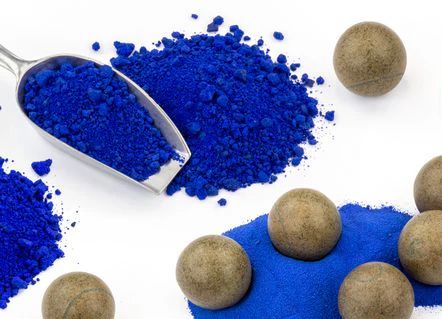
YInMn Blue (Image Credit A. Gallo)*
- Meteorite Brown (Chondrite) — actual meteorite stones, ground into pigment. About 4.5 billion years old, these chondrites came from the asteroid belt between Mars and Jupiter before falling to Earth. Students will literally paint with the cosmos, using minerals from beyond our planet.
Made by hand in Assisi, these paints use raw pigments, gum arabic, honey, and rosemary oil. They are crafted with traditional methods that students explore. This section of the workshop connects chemistry and history, activating new student knowledge beautifully and giving students an experience of color across time and space.
What Teachers Take Away
ASC field trips aren’t one-offs; they’re launchpads. Teachers leave with:
A curriculum map connecting other chapters of A Perfect Red to TEKS objectives in science, history, and art.
Detailed lesson supports so students can continue the work in class in groups or at home individually, building depth over weeks instead of hours.
The confidence that they can integrate art, history, and STEM in a way that doesn’t dilute any subject, but strengthens all three.
Why It Works
Art-oriented students are already comfortable with paintbrushes, palettes, and stories. By meeting them in that medium, we blend in the chemistry of molecules, the physics of light, the economics of global trade, and go further down subjects roads less familiar and often not covered in school at this depth and complexity.
In this Painting STEM into History field trip students start with what feels familiar and use that solid foundation as a base to quickly ramp up subject depth and complexity, extracting the science from art. This leaves students with increased agency – the knowledge that they can make, test, and explore for themselves.
The ASC Difference
Other art-based STEM programs might stop at “look how science is related to art.” At ASC, students don’t just look – they do. They leave with skills, stories, and materials to keep building. Teachers leave with the scaffolding to carry it forward.
This is how ASC elevates the depth and complexity of STEM while lowering the age at which it’s accessed.
Field Trip Outcomes
Students: Each student keeps a copy of A Perfect Red, their own handmade scarlet paint, and the skill to make more, plus direct experience with extraordinary pigments like YInMn, ultramarine, and meteorite brown, along with the chemical and physical science knowledge of how they are made.
Teachers: TEKS-linked curriculum supports and a practical framework for continued study.
Schools: an experiential program that bridges art, history, and science without compromise.